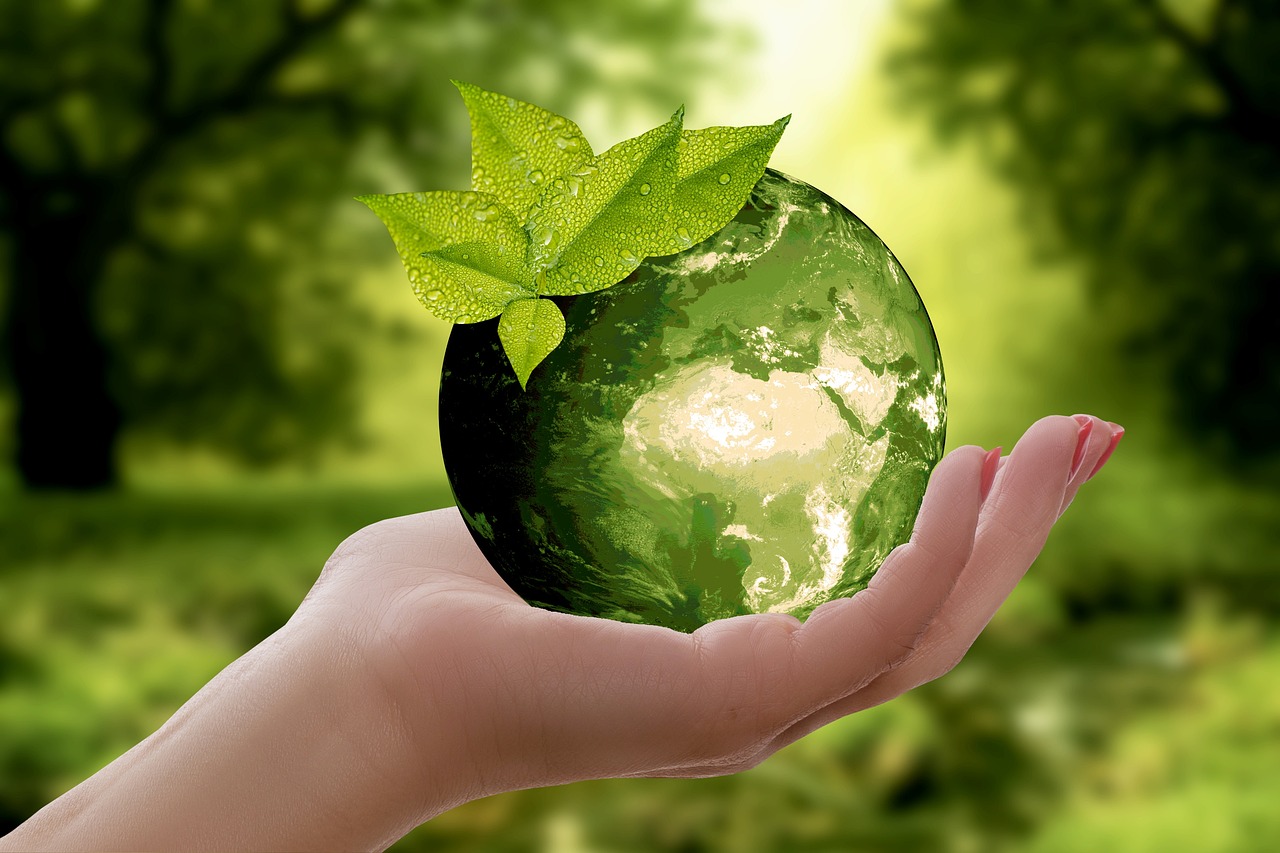
Eco-Friendly Drain Cleaning: Revolutionizing Environmental Hygiene
Introduction
In an era where environmental consciousness is paramount, the concept of eco-friendly drain cleaning has emerged as a critical component in the pursuit of sustainable practices. This comprehensive article delves into the world of environmentally conscious drain maintenance, exploring its definition, global impact, economic implications, technological innovations, regulatory frameworks, and the challenges it addresses. By examining these aspects, we aim to provide an insightful guide for businesses, policymakers, and individuals seeking to contribute to this growing movement.
Understanding Eco-Friendly Drain Cleaning: A Definition and Its Components
Eco-friendly drain cleaning refers to a set of practices and technologies designed to effectively clear blockages and maintain drainage systems while minimizing environmental harm. It involves the use of non-toxic, biodegradable products and methods that reduce water pollution and preserve the ecological balance. The core elements of eco-friendly drain cleaning include:
- Natural Cleaning Agents: Utilizing plant-based enzymes, essential oils, and other natural compounds to break down organic waste and grease, these agents provide an alternative to harsh chemicals.
- Sustainable Drainage Systems (SDS): SDS involves designing drainage infrastructure to support natural water flow, reduce pollution, and promote water reuse. Examples include green roofs, bio-swales, and permeable surfaces.
- Mechanical Cleaning Equipment: Advanced machinery, such as high-pressure water jets and mechanical snakes, is employed to remove blockages without relying heavily on chemicals.
- Proper Waste Disposal and Recycling: Ensuring that cleaning products and waste materials are disposed of or recycled responsibly to prevent environmental contamination.
- Community Education: Educating the public about proper waste disposal practices and the importance of maintaining drainage systems contributes to a culture of eco-awareness.
Historically, drain cleaning has relied heavily on toxic chemicals like sodium hydroxide (caustic soda) and hydrochloric acid, which pose risks to human health and aquatic ecosystems. In response, the concept of eco-friendly drain cleaning gained traction in the late 20th century as environmental concerns grew. Today, it represents a significant shift towards sustainability in the hygiene and maintenance industry.
Global Impact and Trends
The adoption of eco-friendly drain cleaning practices has spread worldwide, driven by increasing environmental awareness and regulatory pressures. Several key trends and influences shape this global movement:
- Regional Leadership: Europe and North America have been at the forefront of promoting eco-friendly drain cleaning, with stringent environmental regulations driving industry innovation. The European Union's (EU) guidelines on sustainable drainage and waste management set a high standard for member states.
- Emerging Markets Follow Suit: As developing countries face similar urban infrastructure challenges, they are increasingly adopting eco-friendly practices. For instance, cities in Asia and Latin America are implementing SDS and promoting green cleaning technologies to manage rapid urbanization.
- International Collaborations: Global initiatives, such as the United Nations Environment Programme (UNEP), facilitate knowledge sharing and best practices among nations, fostering a collaborative approach to environmental stewardship.
- Consumer Demand: Increasing consumer awareness of environmental issues has led to a growing preference for eco-friendly products and services, driving market growth in sustainable drain cleaning solutions.
Economic Considerations
The economic aspects of eco-friendly drain cleaning are multifaceted, impacting various sectors:
Market Dynamics
The global eco-friendly drain cleaning market is experiencing significant growth, projected to reach USD 1.5 billion by 2025, growing at a CAGR of 7.2% from 2020 to 2025 (Source: MarketWatch). This growth is attributed to rising environmental concerns, stringent regulations, and consumer demand for sustainable products. The market can be segmented as follows:
- Chemical-Free Products: Enzymes, essential oils, and other natural cleaning agents account for a substantial share, with manufacturers focusing on developing effective and affordable alternatives to traditional chemicals.
- Mechanical Cleaning Equipment: High-pressure washers and mechanical snakes are in high demand due to their efficiency and reduced chemical usage.
- Sustainable Drainage Systems (SDS): Green infrastructure projects, including permeable pavers and bio-swales, are gaining traction, particularly in urban areas.
Investment Patterns
The transition to eco-friendly drain cleaning has attracted substantial investments from both public and private sectors:
- Public Sector Investments: Governments worldwide are allocating funds for research and development of sustainable drainage systems and promoting green infrastructure through incentives and grants.
- Private Sector Engagement: Many businesses are investing in eco-friendly technologies, with some becoming industry leaders by offering innovative solutions. For example, companies like EcoClean Technologies have developed patented natural cleaning formulas that outperform traditional chemicals.
- Startup Innovations: Startups focused on sustainable drainage solutions receive significant venture capital funding, driving rapid technological advancements.
Economic Impact and Benefits
Implementing eco-friendly drain cleaning practices offers economic advantages:
- Reduced Environmental Liability: Businesses and municipalities can avoid penalties and reputational damage associated with water pollution and environmental violations.
- Long-Term Cost Savings: Sustainable methods may reduce operational costs over time by minimizing maintenance, avoiding harsh chemicals, and prolonging equipment lifespan.
- Job Creation: The growing sector supports new job opportunities in research, manufacturing, and installation of eco-friendly drainage systems.
- Tourism and Real Estate Boost: Cities known for their sustainable practices can attract environmentally conscious tourists and businesses, enhancing local economies.
Technological Advancements Shaping the Future
Technological innovations play a pivotal role in making eco-friendly drain cleaning more effective, efficient, and accessible:
- Advanced Enzymatic Formulas: Researchers have developed powerful plant-based enzymes that break down organic matter, grease, and even tough mineral deposits with remarkable efficiency. These enzymes are now integrated into various cleaning products, offering safer and more sustainable alternatives.
- Smart Drainage Systems: The integration of Internet of Things (IoT) technology in drainage systems allows for real-time monitoring of flow rates, blockages, and water quality. Smart sensors can predict maintenance needs, enabling proactive management.
- Robotic Cleaning Devices: Robotic snakes and copters equipped with high-definition cameras and powerful jets of water or enzyme solutions are revolutionizing drain cleaning. These devices navigate complex pipes with ease, providing thorough cleaning while minimizing damage.
- Data-Driven Maintenance: Advanced analytics and machine learning algorithms analyze drainage system data to identify patterns and optimize cleaning schedules, reducing unnecessary treatments.
- Biodegradable Packaging and Materials: Innovations in packaging and product delivery ensure that even the supply chain contributes to sustainability, with biodegradable materials replacing traditional plastics.
Policy and Regulation: Driving Change from Above
Key policies and regulations significantly influence the adoption of eco-friendly drain cleaning practices:
- Environmental Protection Laws: Stringent pollution control laws require businesses and municipalities to adopt cleaner drainage systems and waste management practices or face severe penalties.
- Green Building Codes: Many countries have incorporated sustainable drainage requirements into building codes, making eco-friendly practices mandatory for new construction projects.
- Subsidies and Tax Incentives: Governments offer financial incentives to encourage the adoption of green technologies, including SDS and eco-friendly cleaning products.
- International Agreements: Global treaties, such as the Paris Agreement and UN Sustainable Development Goals, indirectly impact drain cleaning practices by promoting sustainable urban development and environmental protection.
- Regulatory Compliance Assistance: Organizations like the Environmental Protection Agency (EPA) in the US provide resources and guidance to help businesses comply with eco-friendly regulations, fostering a smoother transition.
Challenges and Criticisms: Overcoming Barriers
Despite its numerous benefits, eco-friendly drain cleaning faces challenges and criticisms that must be addressed for widespread adoption:
- Initial Cost Concerns: Implementing eco-friendly technologies and infrastructure may require substantial upfront investments, which can deter businesses and municipalities with budget constraints. However, long-term cost savings and potential funding sources (e.g., grants) can offset these initial costs.
- Product Effectiveness: Skeptics argue that eco-friendly products are less potent than traditional chemicals. Advances in enzymatic formulas and smart technologies have addressed this concern, demonstrating equal or superior cleaning performance.
- Lack of Standardization: The variety of eco-friendly products and methods can be overwhelming, leading to inconsistent results. Industry standards and certification programs are emerging to ensure product quality and effectiveness.
- Public Awareness: Misconceptions about the environmental benefits of eco-friendly practices persist among some consumers and professionals. Education and awareness campaigns are crucial for building support.
Actionable Solutions:
- Government Incentives: Offering tax breaks, grants, and low-interest loans to encourage early adoption can overcome initial cost barriers.
- Industry Collaboration: Partnerships between manufacturers, researchers, and regulators can drive product standardization and quality assurance.
- Public Education Campaigns: Engaging the public through workshops, social media, and community events can dispel myths and foster environmental stewardship.
- Pilot Projects: Municipalities can initiate pilot projects showcasing successful eco-friendly implementations to build a compelling case for wider adoption.
Case Studies: Successful Eco-Friendly Transformations
Real-world applications of eco-friendly drain cleaning demonstrate its effectiveness and impact across various settings:
Case Study 1: Sustainable City Drainage in Copenhagen, Denmark Copenhagen has pioneered urban drainage sustainability with its comprehensive Green Infrastructure Strategy. The city implemented bio-swales, permeable pavements, and a network of green roofs to manage stormwater naturally. This approach not only reduces pollution but also provides recreational spaces and enhances biodiversity. The strategy includes:
- Bio-Swale Installation: Along major streets, bio-swales capture and filter stormwater runoff, removing pollutants before releasing water into nearby waterways.
- Permeable Pavements: New road construction incorporates permeable materials, allowing water to infiltrate and recharge groundwater while reducing surface runoff.
- Green Roof Initiatives: Buildings across the city feature green roofs, providing habitats for local flora and fauna while absorbing rainwater and mitigating urban heat islands.
Case Study 2: Eco-Friendly Cleaning in London's Transport Network Transport for London (TfL) has made significant strides in eco-friendly drain cleaning within its vast network of underground stations and tunnels. They adopted a multi-faceted approach:
- Natural Enzymatic Cleaning: TfL uses biodegradable enzyme-based cleaners to remove grease and grime from drains, reducing the risk of toxic chemical leaks.
- High-Pressure Water Jets: Mechanical snakes and high-pressure washers are employed for more severe blockages, minimizing chemical use.
- Sustainable Disposal: All cleaning waste is responsibly disposed of or recycled according to strict environmental standards.
- Public Awareness Campaigns: TfL educates passengers about the importance of proper waste disposal and maintaining clean transportation infrastructure.
Lessons Learned:
- Holistic Approach: Successful implementations involve a combination of technological advancements, policy support, and public engagement.
- Adaptability: Customized solutions tailored to local conditions ensure better outcomes and acceptance among diverse communities.
- Long-Term Thinking: Investing in sustainable drainage systems yields benefits beyond environmental protection, including improved urban aesthetics and quality of life.
Future Prospects: Emerging Trends and Strategic Considerations
The eco-friendly drain cleaning industry is poised for significant growth and innovation in the coming years:
- Smart Cities Integration: As smart city initiatives gain momentum, drain cleaning systems will become increasingly interconnected, allowing for real-time monitoring and centralized control. This integration enhances efficiency and enables data-driven decision-making.
- Artificial Intelligence (AI) Applications: AI can analyze historical drainage data to predict blockages, optimize cleaning schedules, and identify at-risk areas. Machine learning algorithms can also personalize cleaning protocols based on specific location needs.
- Decentralized Energy Systems: Integrating renewable energy sources, such as solar panels, into drain cleaning equipment reduces operational carbon footprints and supports sustainable urban infrastructure.
- Global Collaboration and Knowledge Sharing: As the world grapples with shared environmental challenges, international collaborations will intensify, leading to best practice exchanges and technology transfers.
- Regulatory Evolution: Governments will continue to refine policies, incorporating new technologies and insights to drive sustainability without compromising public health or safety.
Conclusion: A Sustainable Future Begins with Clean Drains
Eco-friendly drain cleaning represents a significant step towards achieving sustainable environmental hygiene on a global scale. By embracing natural cleaning agents, innovative technologies, and regulatory frameworks, businesses, governments, and individuals can contribute to a cleaner, healthier world. The case studies presented demonstrate that successful implementations are achievable, offering valuable insights for future endeavors.
As the demand for environmentally conscious solutions continues to grow, the eco-friendly drain cleaning industry will play a pivotal role in shaping a sustainable future. By addressing challenges head-on and embracing emerging trends, we can ensure that our drainage systems support both environmental preservation and human well-being for generations to come.
FAQ Section: Answering Common Queries
Q: Are eco-friendly drain cleaning products as effective as traditional chemicals? A: Modern eco-friendly products, including natural enzymes and biodegradable formulas, are just as effective, if not more so, than traditional chemicals at breaking down organic waste and grease. Continuous advancements in these formulations ensure performance equal to or superior to that of harsher alternatives.
Q: How do eco-friendly practices impact the cost of drain cleaning services? A: While there may be initial setup costs for adopting eco-friendly technologies, long-term savings can offset these expenses. Sustainable methods often reduce chemical consumption, minimize equipment damage, and decrease disposal costs, ultimately making drain cleaning services more cost-effective over time.
Q: Can eco-friendly drain cleaning systems handle heavy industrial waste? A: While designed primarily for residential and commercial applications, advanced eco-friendly systems can be tailored to accommodate certain levels of industrial waste. Customized solutions, including high-pressure washing and specialized enzymatic treatments, can manage challenging debris while preserving environmental integrity.
Q: What role do local governments play in promoting eco-friendly drain cleaning? A: Local governments have a crucial role by implementing supportive policies, providing financial incentives, and raising public awareness about sustainable drainage practices. They also facilitate infrastructure upgrades and collaborate with stakeholders to ensure effective eco-friendly implementations within their jurisdictions.
Q: How can individuals contribute to the movement from their homes? A: Individuals can make a difference by choosing eco-friendly drain cleaning products for home use, properly disposing of waste, and educating themselves about sustainable drainage practices. They can also support businesses that prioritize environmental responsibility and advocate for local initiatives promoting clean water and green infrastructure.
Category: eco friendly drain cleaning